
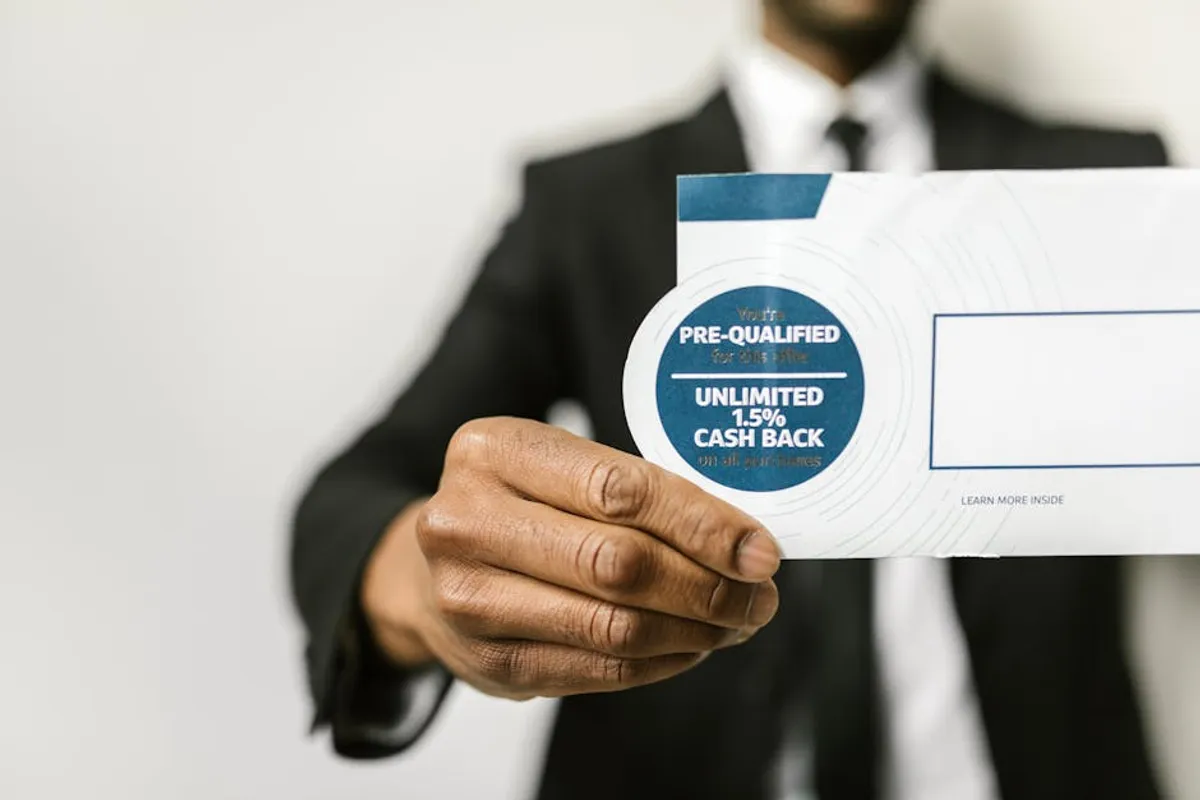
Businesses often deploy promotional strategies like cashback programs or coupon codes as standalone incentives. While each method effectively drives consumer action, their combined application unlocks a synergistic potential that significantly amplifies their individual impact. Understanding this dual dynamic is crucial for marketers and site owners seeking to optimize conversion funnels, increase average order value, and cultivate stronger customer relationships. Marketers must also consider the consumer's effort in finding working coupon codes to ensure a smooth experience.
The core principle lies in addressing different psychological triggers and purchasing behaviors. Coupon codes typically offer an immediate, upfront discount, appealing to price-sensitive shoppers looking for instant savings. Cashback, conversely, provides a deferred reward, often appealing to those who appreciate long-term value and feel a sense of earning back a portion of their spend. When presented together, these two mechanisms create a compelling proposition that caters to a broader spectrum of consumer motivations, transforming a simple transaction into a value-rich engagement.
Distinct Mechanisms, Unified Goals
Before exploring their combined power, it's important to recognize the independent function of each tool.
- Coupon Codes: These are discrete alphanumeric strings or scannable barcodes that, when applied at checkout, reduce the immediate cost of a purchase. They can be percentage-based (e.g., 20% off), fixed-amount (e.g., $10 off), or offer specific benefits like free shipping. Their appeal is instant gratification and clear, visible savings before commitment.
- Cashback Programs: These systems return a portion of the purchase price to the customer after the transaction is complete, often as a credit to an account, a direct deposit, or store credit. The reward is not immediate but accumulates, fostering a sense of long-term value and encouraging repeat purchases to build up a larger payout.
Individually, both are proven conversion drivers. However, their true commercial utility emerges when strategically integrated, addressing both the immediate desire for a deal and the sustained appeal of accumulating rewards.
Enhanced Consumer Savings and Purchase Motivation
For the consumer, the ability to combine a coupon code with a cashback offer represents a significant increase in perceived value and actual savings. This dual incentive can be a powerful motivator.
Maximizing Discount Perception
When a shopper sees a 15% off coupon *and* knows they'll receive 5% cashback on their purchase, the total effective discount feels more substantial than either offer alone. This stacked benefit can push hesitant buyers past the conversion threshold. It transforms a good deal into an exceptional one, making the purchase decision easier and more immediate.
Addressing Diverse Buyer Psychology
Some shoppers are driven by the immediate gratification of a coupon, while others are motivated by the deferred reward of cashback. Combining them captures both segments. The coupon satisfies the immediate "hunter" instinct for a deal, while the cashback addresses the "saver" mentality, promising future returns. This broadens the appeal of any given promotion.
Strategic Advantages for Businesses
Beyond consumer benefits, the combined strategy offers concrete advantages for businesses aiming to optimize their marketing spend and customer lifetime value.
Higher Conversion Rates
The dual incentive of immediate savings plus a future reward significantly reduces cart abandonment. Shoppers are less likely to second-guess a purchase when they perceive a substantial, multi-layered discount. This translates directly into more completed transactions.
Increased Average Order Value (AOV)
Businesses can structure combined offers to encourage larger purchases. For instance, a coupon might have a minimum spend threshold (e.g., "$20 off orders over $100"), which then qualifies for an additional cashback percentage. This nudges customers to add more items to their cart to meet the coupon requirement, while the cashback sweetens the overall deal on the larger spend.
Customer Acquisition and Retention
Combined offers serve as potent acquisition tools, attracting new customers who might be drawn in by the exceptional value proposition. Once acquired, the cashback component can foster loyalty. The promise of accumulating rewards encourages repeat purchases, as customers return to earn more cashback or redeem existing balances. This builds a valuable customer base less prone to churn.
Data Insights and Personalization
Implementing combined promotions allows businesses to gather richer data on customer behavior. Tracking which combinations perform best, which customer segments respond most strongly, and how these offers influence purchase frequency provides valuable insights. This data can then be used to personalize future offers, segment audiences more effectively, and refine promotional strategies for maximum impact.
Pro Tip: When designing combined offers, clearly communicate the terms and conditions for both the coupon code and the cashback. Ambiguity regarding stacking rules, redemption processes, or expiry dates can lead to customer frustration and increased support inquiries, undermining the positive impact of the promotion.
Optimizing Your Combined Offers
Effective implementation requires careful planning and clear communication.
Platform Integration and Tracking
Ensure your e-commerce platform and cashback program provider can seamlessly integrate and accurately track combined transactions. This involves verifying that the coupon discount is applied before the cashback calculation, or vice-versa, depending on your intended offer structure. Reliable tracking is paramount for accurate payouts and performance analysis.
Offer Structure and Stacking Rules
Define precisely how the offers interact. Will the cashback be calculated on the original price, or on the price after the coupon discount is applied? Clearly communicate these rules. Experiment with different combinations, such as a percentage-off coupon with a fixed-amount cashback, or tiered cashback percentages based on order value, to find what resonates best with your audience and business goals.
Marketing and Communication
Highlight the dual benefit prominently in all marketing materials. Use language that emphasizes both immediate savings and future rewards. Visual cues that show the combined savings can be particularly effective. Ensure the path to applying the coupon and earning cashback is intuitive and well-explained on your site.
Driving Value Through Integrated Promotions
Integrating cashback and coupon codes into a cohesive promotional strategy offers a distinct competitive advantage. It moves beyond simply offering a discount to creating a layered value proposition that addresses diverse consumer needs and motivations. By understanding the mechanics, leveraging the psychological triggers, and meticulously planning the implementation, businesses can transform transactional interactions into opportunities for deeper customer engagement, higher conversions, and sustained growth. The synergy between immediate savings and deferred rewards proves to be a powerful engine for both short-term sales boosts and long-term customer loyalty.
Frequently Asked Questions
How do businesses track combined offers accurately?
Accurate tracking typically relies on robust e-commerce platform capabilities and integration with cashback program providers. The system must correctly apply the coupon discount first, then calculate the cashback percentage on the adjusted net purchase amount (excluding taxes and shipping). Unique tracking IDs for each transaction ensure proper attribution and payout.
Are there any downsides to stacking cashback and coupons?
The primary downside is the potential for reduced profit margins if not carefully managed. Overly generous stacked offers can erode profitability. Additionally, if the terms are not clear, it can lead to customer confusion or dissatisfaction. Businesses must model the financial impact of combined offers before launch and ensure transparent communication.
What types of products benefit most from these combined promotions?
Products with higher price points, higher profit margins, or those that encourage repeat purchases often benefit most. This includes electronics, apparel, home goods, and subscription services. The substantial perceived savings on higher-value items or the recurring nature of subscriptions make the dual incentive particularly appealing.
How do these offers impact customer loyalty?
While coupons primarily drive immediate conversions, the cashback component is a strong driver of loyalty. The accumulation of rewards encourages customers to return to the same merchant for future purchases to earn more cashback or redeem existing balances. This fosters a sense of reciprocity and value, building a more engaged and loyal customer base over time.