
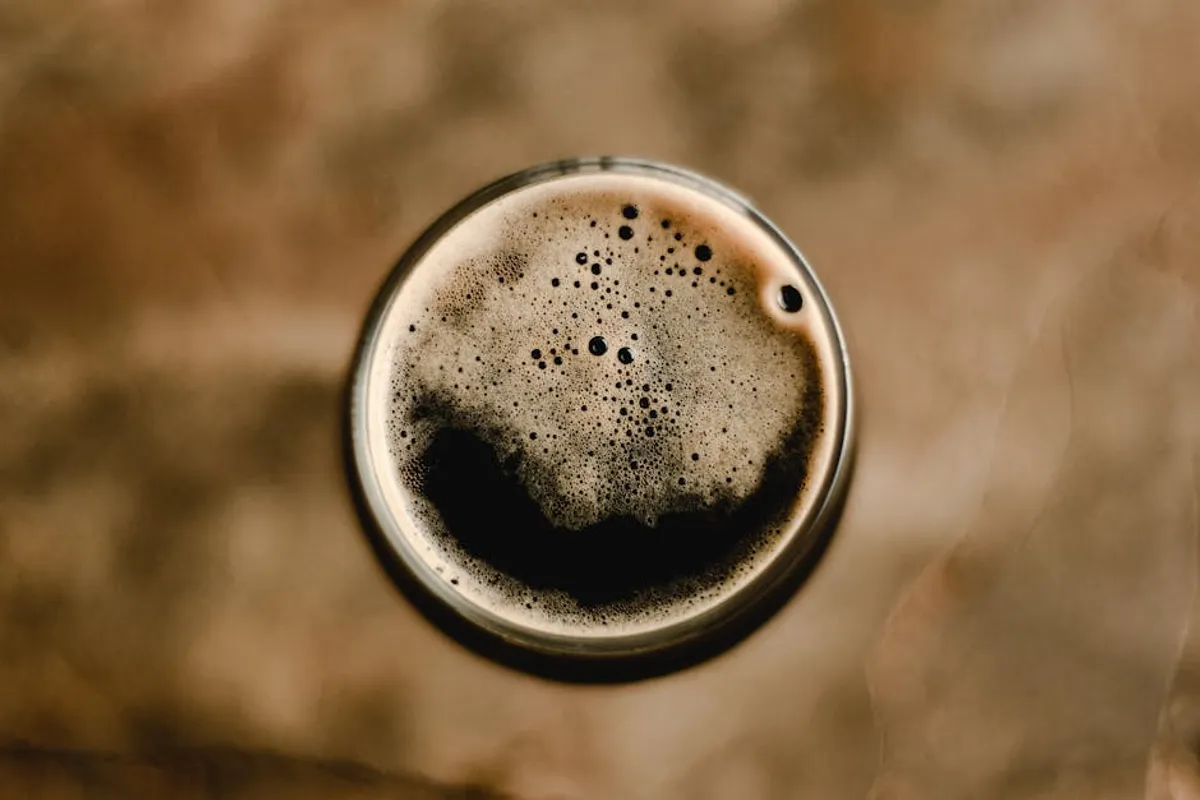
Selecting a stout beer involves navigating a diverse landscape of styles, from the classic dry Irish to rich imperial and nuanced barrel-aged varieties. The choice often depends on desired flavor intensity, occasion, and budget. Understanding the core characteristics of each type, including typical alcohol by volume (ABV), ingredient profiles, and common flavor notes, is crucial for making an informed decision. This guide details prominent stout options, outlining their unique attributes, typical pricing tiers, and ideal consumption scenarios to help refine your selection.
What to Look For in a Stout
When approaching the stout category, consider several factors that differentiate one brew from another. These elements collectively shape the drinking experience and can guide you toward a preference.
- Style: Stouts encompass a broad spectrum. Dry Irish stouts are known for their roasted barley bitterness and lighter body. Oatmeal stouts incorporate oats for a smoother, fuller mouthfeel. Milk stouts (or sweet stouts) use lactose for a discernible sweetness and creaminess. Imperial stouts are high-ABV, often with intense dark fruit, chocolate, and coffee notes, frequently barrel-aged. Pastry stouts are a modern interpretation, pushing boundaries with dessert-like adjuncts.
- ABV: Alcohol content varies significantly. Dry stouts often range from 4-5% ABV, while imperial stouts can exceed 10-12% ABV, impacting both flavor intensity and perceived warmth.
- Flavor Profile: Common stout flavors include roasted coffee, dark chocolate, caramel, toffee, dried fruit (raisin, fig), vanilla, and sometimes a smoky or earthy undertone. The balance of bitterness, sweetness, and roast character defines the profile.
- Mouthfeel: This refers to the beer's texture. It can range from light and crisp (dry stout) to creamy and full-bodied (oatmeal, milk stout) or thick and viscous (imperial stout).
- Price Point: Stouts occupy various price tiers. Accessible dry stouts are typically budget-friendly, while limited-release imperial or barrel-aged variants command premium pricing due to extended aging and specialized ingredients.
- Availability: Some stouts are widely distributed year-round, while others are seasonal releases or brewery-specific offerings, affecting how easily you can acquire them.
1. Guinness Draught
Guinness Draught is the quintessential dry Irish stout, globally recognized for its dark color, creamy head, and distinctive nitrogenated pour. Brewed with roasted unmalted barley, it delivers a characteristic dry bitterness balanced by subtle coffee and chocolate notes. Its relatively low ABV makes it highly sessionable, and the nitrogen infusion provides a smooth, velvety mouthfeel that distinguishes it from carbonated beers.
Best for: Classic pub experience, session drinking, introduction to stout.
Pros: Widely available, consistent quality, distinctive creamy texture, moderate ABV.
Cons: Flavor profile can be perceived as less complex by imperial stout enthusiasts, limited variation in adjuncts.
Verdict: A benchmark dry stout, offering reliable quality and a unique sensory experience due to its nitrogenation. It serves as an excellent entry point into the stout category.
2. Samuel Adams Boston Lager
While primarily known for its lager, Samuel Adams also produces stouts, with their Boston Lager often serving as a gateway for broader beer exploration. Their stouts, like their Cream Stout, typically emphasize balance and accessibility, often featuring notes of roasted malt, coffee, and chocolate without extreme bitterness or sweetness. These are generally well-constructed, offering a reliable flavor profile for those seeking a less aggressive stout experience.
Best for: Accessible craft stout, reliable flavor, balanced profile.
Pros: Good availability, consistent quality, approachable flavor profile, often mid-range pricing.
Cons: May lack the intensity or unique characteristics sought by seasoned stout drinkers, not their primary focus.
Verdict: A solid, dependable stout option from a major craft brewery, suitable for everyday enjoyment rather than specialized tasting experiences.
3. Founders Kentucky Breakfast Stout (KBS)
Founders KBS is a highly regarded imperial stout aged in bourbon barrels with coffee and chocolate. This complex brew delivers layers of rich dark chocolate, roasted coffee, vanilla, and oak, all underpinned by a warming bourbon character. Its high ABV (typically 12%+) and viscous body contribute to a robust and indulgent drinking experience, making it a celebrated example of a barrel-aged imperial stout.
Best for: Special occasions, dessert pairing, bourbon barrel-aged stout enthusiasts.
Pros: Deep complexity, rich flavor layers, smooth barrel character, high ABV for aging potential.
Cons: Premium price point, limited availability, high ABV requires careful consumption.
Verdict: A quintessential barrel-aged imperial stout that justifies its premium status through intricate flavor development and luxurious mouthfeel. It’s an experience, not just a beer.
4. Left Hand Milk Stout Nitro
Left Hand Milk Stout Nitro is a sweet stout brewed with lactose sugar, which remains unfermented and contributes a noticeable sweetness and creamy texture. Like Guinness, it's nitrogenated, resulting in a cascading pour and a smooth, velvety mouthfeel. Flavor notes include milk chocolate, coffee, and caramel, with a gentle sweetness that balances the roasted malt character. It's an approachable and comforting stout.
Best for: Dessert beer, those new to stouts, creamy texture preference.
Pros: Distinctive sweetness, exceptionally smooth mouthfeel from nitrogenation, good balance of roast and sweet.
Cons: Sweetness may be too pronounced for some palates, less complex than imperial stouts.
Verdict: An excellent example of a milk stout, offering a delightful creamy texture and a balanced sweet-roast profile that appeals to a broad audience.
5. Sierra Nevada Stout
Sierra Nevada's classic Stout is an American interpretation, focusing on a robust roasted malt character without excessive sweetness or adjuncts. It presents a straightforward yet satisfying profile of dark chocolate, coffee, and a firm hop bitterness that provides balance. This stout is known for its consistency and is a reliable choice for those seeking a traditional, well-crafted American stout experience.
Best for: Traditional American stout, reliable everyday drinking, approachable bitterness.
Pros: Consistent quality, widely available, balanced flavor, moderate price.
Cons: May not offer the exotic adjuncts or extreme profiles found in modern stouts.
Verdict: A foundational American stout that prioritizes malt character and balance, serving as a dependable choice for those who appreciate classic brewing without overt experimentation.
6. Old Rasputin Russian Imperial Stout
North Coast Brewing Co.'s Old Rasputin is a highly acclaimed Russian Imperial Stout. It is a bold, intensely flavored beer with a high ABV (9%+) and a thick, chewy body. The flavor profile is dominated by dark chocolate, roasted coffee, and dark fruit, often with a hint of licorice and a warming alcohol presence. Its complexity and richness make it a classic example of the style, suitable for contemplative sipping.
Best for: Imperial stout purists, aging, cold weather enjoyment.
Pros: Complex flavor, rich body, excellent aging potential, widely recognized as a style benchmark.
Cons: High ABV, intense flavors may be overwhelming for some, not a session beer.
Verdict: A powerful and sophisticated imperial stout that delivers on the style's promise of intensity and depth, making it a must-try for serious stout enthusiasts.
7. Bell's Expedition Stout
Bell's Expedition Stout is another highly respected Russian Imperial Stout, known for its deep complexity and aging potential. It features intense notes of roasted malt, dark chocolate, espresso, and dark fruit, often evolving with age to reveal sherry-like qualities and a smoother finish. With an ABV typically around 10.5%, it's a formidable yet rewarding beer designed for slow enjoyment.
Best for: Cellaring, complex flavor exploration, imperial stout aficionados.
Pros: Exceptional depth of flavor, excellent aging capabilities, robust body, well-balanced despite its intensity.
Cons: High ABV, can be challenging to find year-round, premium price point.
Verdict: A masterfully crafted imperial stout that rewards patience and careful tasting, offering a journey through evolving flavors over time.
8. Young's Double Chocolate Stout
Young's Double Chocolate Stout is a sweet stout brewed with real dark chocolate and chocolate essence, resulting in a pronounced chocolate flavor and aroma. It's a rich, creamy beer with notes of cocoa, vanilla, and a hint of roasted malt. The sweetness is balanced, preventing it from being cloying, and its moderate ABV makes it relatively approachable for a chocolate-forward stout.
Best for: Chocolate lovers, dessert pairing, introduction to sweet stouts.
Pros: Authentic chocolate flavor, creamy texture, good balance of sweet and roast, widely available.
Cons: May be too sweet for some palates, less complex than some imperial stouts.
Verdict: A delightful and accessible chocolate stout that delivers on its promise of rich cocoa flavor without being overly heavy or cloying.
9. Boulevard Dark Truth Stout
Boulevard Dark Truth Stout is a robust imperial stout that offers a sophisticated blend of flavors. It's brewed with a variety of dark malts, resulting in notes of dark chocolate, coffee, and a subtle fruitiness, often with an earthy or spicy undertone from specific hop varietals. Its high ABV (around 9.7%) and full body contribute to a warming and satisfying experience, making it a significant American imperial stout.
Best for: Robust American imperial stout, complex flavor profile, discerning drinkers.
Pros: Multi-layered flavor, significant body, well-integrated alcohol, widely distributed for an imperial stout.
Cons: Intensity may be too much for casual drinkers, not as commonly available as some mainstream options.
Verdict: A well-executed imperial stout that balances intensity with nuanced flavors, appealing to those seeking a substantial and flavorful dark beer.
10. Goose Island Bourbon County Brand Stout
Goose Island's Bourbon County Brand Stout (BCBS) is a pioneering and highly sought-after barrel-aged imperial stout. Each annual release is aged in various bourbon barrels, imparting deep notes of vanilla, caramel, coconut, and oak, alongside the stout's inherent dark chocolate and roasted coffee characteristics. Its high ABV (often 14%+) and thick, viscous body make it an intense, complex, and highly collectible beer.
Best for: Collectors, extreme barrel-aged stout enthusiasts, special occasion indulgence.
Pros: Landmark barrel-aged stout, immense complexity, excellent aging potential, highly regarded by experts.
Cons: Very high price point, extremely limited availability, high ABV, often subject to secondary market speculation.
Verdict: A legendary barrel-aged imperial stout that sets a high bar for the style, offering an unparalleled depth of flavor and a truly indulgent experience for those who can acquire it.
11. Ommegang Three Philosophers
Ommegang Three Philosophers is a quadrupel stout, a unique hybrid style that blends the rich, dark fruit and caramel notes of a Belgian quadrupel with the roasted character of a stout. Brewed with cherries, it offers a complex profile of dark chocolate, roasted malt, plums, figs, and a subtle cherry tartness, all supported by a warming 9.7% ABV. It's a sophisticated and distinctive brew.
Best for: Belgian beer enthusiasts, unique hybrid styles, dessert pairing.
Pros: Highly complex flavor, unique style blend, excellent for food pairing, good aging potential.
Cons: Flavor profile may be unexpected for traditional stout drinkers, higher price point.
Verdict: A truly distinctive beer that successfully marries two complex styles, offering a rich and rewarding experience for those seeking something beyond conventional stout definitions.
12. Troegs Independent Brewing Troegenator Double Bock
While technically a double bock, Troegenator is often appreciated by stout drinkers for its dark malt richness and substantial body. It delivers flavors of caramel, toffee, dark bread, and roasted nuts, with a clean finish despite its 8.2% ABV. It lacks the overt roast bitterness of a traditional stout but offers a similar dark, malty satisfaction, making it a worthy consideration for those who enjoy heavier, darker beers.
Best for: Malt-forward dark beer fans, those seeking richness without pronounced roast or coffee notes.
Pros: Rich malty sweetness, smooth finish, substantial body, good availability.
Cons: Not a true stout, lacks the characteristic roasted barley notes, less complex than imperial stouts.
Verdict: A robust and satisfying dark lager that appeals to many stout drinkers who appreciate a deep, malty profile with less emphasis on roasted bitterness or coffee notes.
Choosing the Right Stout for Your Palate
The "best" stout is ultimately subjective, aligning with individual taste preferences, the occasion, and desired intensity. Begin by identifying your preferred flavor notes: do you lean towards dry and roasty, sweet and creamy, or intensely complex and barrel-aged? Consider the ABV; lower ABV stouts are suitable for extended enjoyment, while high-ABV imperial stouts are often meant for slower, contemplative sipping. Experimentation across different styles and breweries is the most effective way to discover your personal favorites. Pay attention to seasonal releases and limited editions, as these often showcase innovative brewing techniques and unique ingredient combinations.
Frequently Asked Questions
What is the difference between a stout and a porter?
Historically, porters were brewed with darker malts and were often perceived as less intense than stouts. Modern definitions often overlap, but generally, stouts tend to feature more pronounced roasted barley notes, leading to stronger coffee and dark chocolate flavors, and can often be richer and higher in ABV, especially imperial stouts. Porters might lean more towards caramel, toffee, and subtle chocolate.
What does "Imperial Stout" mean?
An Imperial Stout, also known as a Russian Imperial Stout, is a strong, dark beer with a high alcohol content (typically 8% ABV and above). This style originated in the 18th century for export to the Russian Imperial Court. They are characterized by intense flavors of roasted malt, dark chocolate, coffee, and dark fruits, often with a significant hop presence and a warming alcohol finish.
What is a "Milk Stout" and why is it sweet?
A Milk Stout, also called a Sweet Stout, is brewed with lactose, a sugar derived from milk. Unlike other sugars, lactose is unfermentable by brewer's yeast, meaning it remains in the finished beer, contributing a noticeable sweetness and a fuller, creamier body. This sweetness balances the roasted malt flavors, making for a smooth and often dessert-like drinking experience.
Can stouts be aged?
Yes, many stouts, particularly imperial stouts and barrel-aged varieties, benefit significantly from aging. Over time, the intense flavors can mellow and meld, developing new complexities like sherry, dried fruit, or earthy notes. The high alcohol content and robust malt backbone help preserve the beer during the aging process. Store them upright in a cool, dark place.
What foods pair well with stout beer?
Stouts pair excellently with a range of foods. Dry stouts complement oysters, roasted meats, and hearty stews. Milk stouts and sweet stouts are ideal with desserts like chocolate cake, ice cream, or crème brûlée. Imperial stouts pair well with rich, savory dishes like braised short ribs, strong cheeses, or even as a dessert on their own due to their complexity and richness.