The Black Opal Drink, often recognized for its distinct appearance and specific flavor profile, represents a particular offering within the beverage market. Understanding its menu components, pricing structures, and overall characteristics is essential for consumers seeking to make informed choices or for businesses considering similar product development. This guide details the typical elements that define the Black Opal Drink, providing a framework for what to expect in terms of ingredients, cost, and availability.
Deconstructing the Black Opal Drink Menu
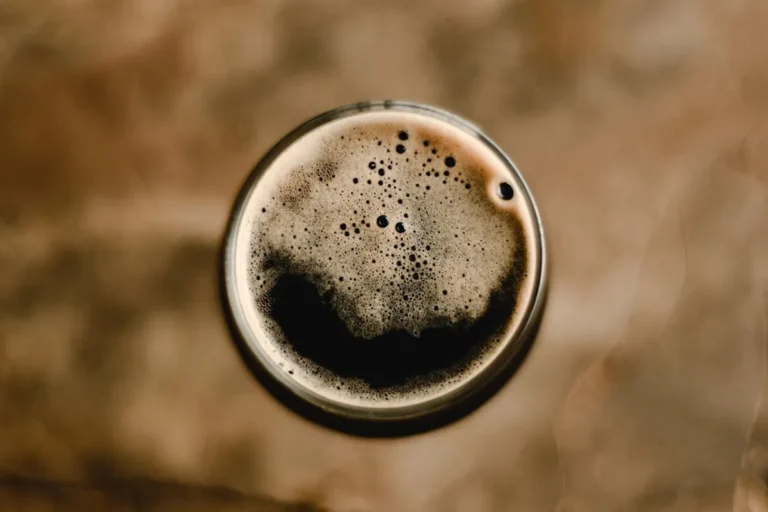
The Black Opal Drink is typically characterized by a dark, often iridescent appearance, achieved through specific ingredient combinations. While exact recipes can vary by vendor or region, core components remain consistent, influencing both visual appeal and taste. The drink is generally assembled to provide a layered sensory experience, moving beyond a single flavor note.
Core Ingredients and Flavor Profiles
The dark hue of the Black Opal Drink commonly derives from activated charcoal or black sesame, which are incorporated for their visual impact rather than significant flavor contribution. These ingredients are usually paired with a base that provides the primary taste. Common flavor profiles include:
- Sweetened Dairy or Non-Dairy Milk: Almond milk, oat milk, or whole milk often serve as the foundation, offering a creamy texture and a neutral canvas for other flavors.
- Espresso or Cold Brew Concentrate: For caffeinated versions, a strong coffee base introduces bitterness and depth, balancing the sweetness.
- Sweeteners and Flavorings: Syrups such as vanilla, caramel, or hazelnut are frequently added to tailor the sweetness and introduce complementary notes. Some variations incorporate fruit purees or extracts, like blackberry or elderflower, for a more complex, often tart, undertone.
- Toppings and Garnishes: Whipped cream, edible glitter, chocolate shavings, or a dusting of cocoa powder enhance presentation and can add textural contrast.
The interplay of these elements aims to create a drink that is visually striking and offers a balanced taste, often described as subtly sweet with an underlying richness, sometimes with a hint of coffee or fruit, depending on the specific formulation.
Customization and Variations
Many establishments offering the Black Opal Drink provide customization options, allowing consumers to modify sweetness levels, choose alternative milk bases, or add extra flavor shots. Seasonal variations are also common, introducing ingredients like pumpkin spice in autumn or peppermint during winter, adapting the core concept to holiday themes. These variations often involve adjusting the primary flavoring syrup or adding seasonal garnishes, maintaining the dark aesthetic while updating the taste experience.
Black Opal Drink Pricing Structures
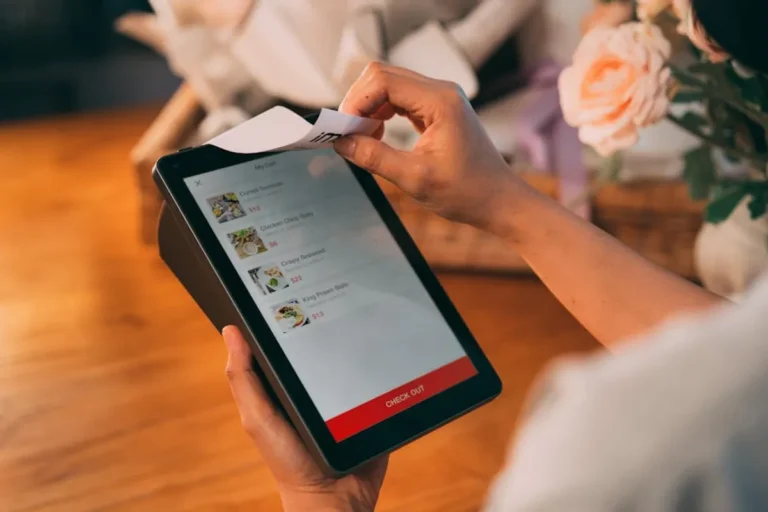
The price of a Black Opal Drink is influenced by several factors, including the vendor's location, ingredient quality, drink size, and the complexity of its preparation. As a specialty beverage, it often carries a premium compared to standard coffee or tea offerings.
Typical Price Ranges
Across different markets, the Black Opal Drink typically ranges from $5.00 to $8.00 USD for a standard size (e.g., 12-16 oz). This range can fluctuate based on the establishment type; independent cafes with artisanal ingredients might price higher, while larger chain establishments might offer it at the lower end of the spectrum, leveraging economies of scale.
Factors influencing price:
- Ingredient Sourcing: Use of organic milk, premium coffee beans, or exotic flavorings can elevate costs.
- Location: Urban centers or high-traffic tourist areas often feature higher prices due to increased operational overhead.
- Brand Premium: Establishments known for unique or high-quality beverages may command higher prices.
- Customization: Add-ons like extra espresso shots, alternative milks (e.g., oat, almond, soy), or premium syrups typically incur additional charges, ranging from $0.50 to $1.50 per modification.
Pro Tip: When evaluating the value of a Black Opal Drink, consider not only the base price but also the cost of any desired customizations. Some vendors bundle popular modifications, while others charge à la carte, which can significantly impact the final total. Always check the full menu or ask for clarity on add-on pricing before ordering.
Guide to Understanding and Ordering the Black Opal Drink
Navigating the options for a Black Opal Drink involves understanding its typical composition, potential dietary considerations, and how to articulate specific preferences when ordering. This guide aims to provide a clear path for consumers and insights for those analyzing beverage trends.
Identifying the Core Experience
The primary appeal of the Black Opal Drink often lies in its aesthetic, which is backed by a generally sweet and creamy taste profile. It is not typically a bitter or highly acidic drink, even with coffee components, as sweeteners and milk bases tend to mellow these notes. Consumers should expect a visually striking beverage that offers a comforting, often dessert-like, flavor.
Dietary Considerations and Alternatives
For individuals with dietary restrictions, understanding the base ingredients is crucial. Most Black Opal Drinks contain dairy unless a non-dairy milk alternative is specified. Activated charcoal, while contributing to the color, can interact with medications, so individuals on prescription drugs should exercise caution or consult a healthcare professional. Sugar content can also be high; inquiring about sugar-free syrup options or requesting less sweetener is often possible.
Common Dietary Adjustments:
- Dairy-Free: Request almond, oat, soy, or coconut milk.
- Reduced Sugar: Ask for fewer pumps of syrup or sugar-free alternatives.
- Caffeine-Free: Confirm if the drink can be made without espresso or coffee concentrate, often substituting with decaffeinated options or a tea base.
Optimal Ordering Strategies
To ensure satisfaction, communicate preferences clearly when ordering. Specify milk type, sweetness level, and any desired flavor additions or subtractions. If unsure about the flavor profile, asking the barista or server for a recommendation based on personal taste preferences (e.g., "I prefer something less sweet" or "Do you have a fruitier version?") can lead to a more tailored experience.
Key Information Before You Buy
Before committing to a Black Opal Drink, a few final considerations can enhance the experience or prevent unexpected outcomes. These points cover aspects from availability to understanding the drink's overall impact.
Availability and Seasonal Offerings
The Black Opal Drink may not be a standard menu item at all coffee shops or cafes. It often appears as a limited-time offer, a specialty item, or part of a seasonal menu. Checking the establishment's current menu online or in-store is advisable. Its popularity can also lead to it being featured more prominently during certain periods, such as Halloween or other themed events, due to its dark aesthetic.
Flavor Expectations vs. Visual Appeal
While the visual impact of the Black Opal Drink is a significant draw, managing flavor expectations is important. The dark color does not inherently signify a strong, bold, or bitter taste; rather, it often precedes a sweet, creamy, and sometimes subtly flavored beverage. Consumers seeking a robust coffee experience might find it too mild, while those looking for a unique, visually appealing treat are more likely to be satisfied.
Practical Considerations for Consumption
The activated charcoal used in some Black Opal Drink formulations can temporarily stain teeth or lips. This is a minor aesthetic consideration but worth noting, especially in professional or social settings. Consuming the drink with a straw can mitigate this effect. Additionally, the presence of activated charcoal can potentially interfere with the absorption of certain medications, as mentioned previously, making it a critical point for individuals with health considerations.
Frequently Asked Questions About the Black Opal Drink
What gives the Black Opal Drink its dark color?
The dark color typically comes from ingredients like activated charcoal or black sesame, which are added primarily for their visual effect rather than a significant impact on flavor.
Is the Black Opal Drink caffeinated?
It depends on the specific recipe. Many versions include espresso or cold brew concentrate, making them caffeinated. However, caffeine-free alternatives using tea bases or simply flavored milk are often available.
Can I customize the sweetness level?
Yes, most establishments allow customers to adjust the sweetness by requesting fewer pumps of syrup or opting for sugar-free alternatives if available.
Does the Black Opal Drink have any dietary implications?
If made with activated charcoal, it can potentially interfere with the absorption of medications. It also typically contains dairy unless a non-dairy milk alternative is requested. Sugar content can be high, so those monitoring sugar intake should inquire about options.