Pilsner beer represents a significant segment of the global beer market, known for its crisp, clean profile and widespread appeal. For consumers navigating a beverage menu or store aisle, understanding the nuances of Pilsner—from its distinct styles to typical pricing and optimal food pairings—informs a more satisfying selection. This guide details the core characteristics, variations, and commercial considerations associated with Pilsner, enabling informed choices whether you are ordering at a restaurant or stocking your home bar.
Defining Pilsner: Origin and Core Characteristics
Pilsner is a type of pale lager that originated in the city of Plzeň (Pilsen) in Bohemia, now part of the Czech Republic, in 1842. Its creation marked a pivotal moment in brewing history, leading to the development of clear, golden lagers that dominate the market today. Key characteristics define a Pilsner:
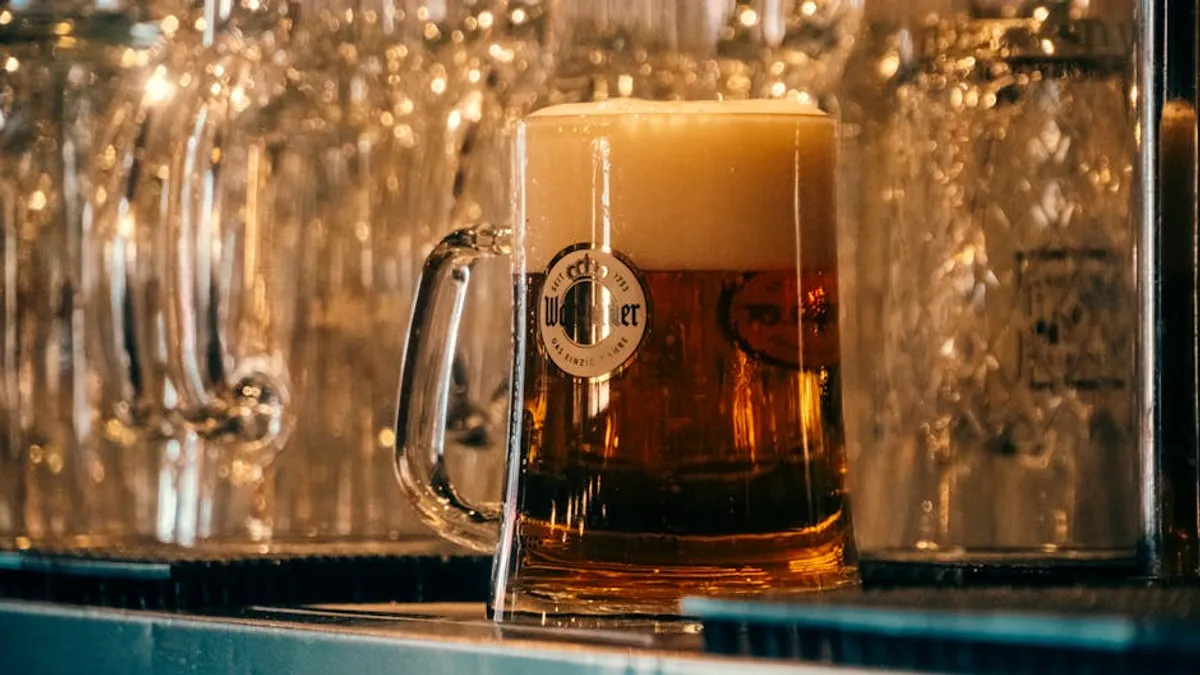
- Appearance: Typically brilliant gold to light straw, often with a persistent white head. Clarity is a hallmark.
- Aroma: Dominated by noble hops, presenting floral, spicy, or herbal notes. A subtle malt sweetness might be present, but hop aroma is primary.
- Flavor: Crisp, clean, and refreshing. A balanced interplay of moderate hop bitterness and a light, bready malt character. The finish is typically dry and clean.
- Body: Light to medium body, highly carbonated, contributing to its refreshing quality.
- Fermentation: Bottom-fermented using lager yeast, followed by a period of cold conditioning (lagering), which contributes to its smoothness and clarity.
Key Pilsner Styles and Their Distinctions
While the original Pilsner set the standard, regional interpretations have evolved, each with distinct characteristics:
Bohemian (Czech) Pilsner
Originality: This style, exemplified by Pilsner Urquell, is the progenitor. It uses soft Plzeň water, Saaz noble hops, and Moravian barley.
Profile: Characterized by a richer, more complex malt backbone than its German counterpart, often with a subtle caramel or honey note. The Saaz hops provide a pronounced, yet refined, floral and spicy bitterness that lingers. It often appears a slightly deeper gold.
German Pilsner (Pils)
Development: German brewers adapted the Pilsner style, tailoring it to their local ingredients and preferences.
Profile: Generally drier, crisper, and often paler than Czech Pilsners. German noble hops (e.g., Hallertau, Tettnang, Spalt) contribute a more pronounced, often sharper, bitterness and a clean, herbaceous aroma. The malt character is typically lighter, emphasizing the hop presence and a very clean finish.
American Pilsner
Evolution: Early American Pilsners often incorporated adjuncts like corn or rice to lighten the body and color, and to reduce costs.
Profile: Modern craft American Pilsners often bridge the gap between German and Czech styles, sometimes using American-grown noble hop varieties or even small amounts of more aromatic American hops. They aim for crispness and drinkability, often with a clean malt profile and moderate bitterness, though some craft versions can be more hop-forward than traditional European examples.
Pilsner Pricing: Factors Influencing Cost
The price of Pilsner beer varies significantly based on several factors, from brand recognition to production methods and distribution channels.
- Brand and Origin: Iconic European brands (e.g., Pilsner Urquell, Bitburger, Warsteiner) often command a premium due to import costs, heritage, and established reputation. Craft breweries producing Pilsners might price them higher than mass-produced domestic lagers due to smaller batch sizes, ingredient costs, and specialized brewing processes.
- Production Volume: Mass-produced Pilsners, whether domestic or international, typically offer lower price points due to economies of scale.
- Ingredients: Use of specific, often imported, noble hops and high-quality malt can increase production costs, reflected in the retail price.
- Packaging: Cans and bottles are standard, with pricing reflecting pack size (six-packs, twelve-packs, cases). Draft Pilsner at bars or restaurants will have a higher per-ounce cost due to service overhead.
- Market and Location: Prices fluctuate by region, state taxes, and the type of retail outlet (supermarket vs. specialty liquor store vs. bar).
Pro Tip: When comparing prices, consider the ABV (Alcohol By Volume). A higher ABV might justify a slightly higher price per serving, though most Pilsners fall within a moderate 4.5% to 5.5% range.
Navigating Pilsner Options on a Menu
When ordering Pilsner at a restaurant or bar, menu descriptions can provide crucial clues:
Specific Brewery Name: A menu listing "Pilsner Urquell" or "Bitburger Pils" immediately identifies the style as Bohemian or German, respectively, allowing you to anticipate the flavor profile.
Regional Descriptors: Terms like "Czech Pilsner," "German Pils," or "Italian Pilsner" (a newer, often dry-hopped variant) directly indicate the style's origin and expected characteristics.
Flavor Notes: Look for descriptors such as "crisp," "clean," "hoppy," "floral," "spicy," "bready," or "dry finish." These terms align with the typical Pilsner profile and can help differentiate between lighter and more assertive versions.
ABV (Alcohol By Volume): Most Pilsners are sessionable, with ABVs typically between 4.5% and 5.5%. A significantly higher ABV might indicate a stronger, less traditional take on the style.
What to Know Before You Purchase
To ensure the best Pilsner experience, consider these practical points:
Freshness: Pilsners are best consumed fresh. Check for "bottled on" or "best by" dates, especially for hop-forward varieties, as hop aromas and bitterness fade over time.
Storage: Store Pilsner in a cool, dark place, ideally refrigerated. Exposure to light can lead to "skunking," where hop compounds react to UV light, creating off-flavors.
Serving Temperature: Serve Pilsner chilled, typically between 45-50°F (7-10°C). Over-chilling can mute the subtle hop and malt characteristics, while too warm can make it seem less refreshing.
Glassware: A tall, slender Pilsner glass is traditional. Its shape showcases the beer's clarity, color, and helps retain the head, concentrating the aromas.
Making Your Pilsner Selection
Choosing a Pilsner involves understanding your preference for hop intensity, malt presence, and regional style. If you favor a richer malt character with pronounced floral hops, a Czech Pilsner is a strong candidate. For a drier, crisper beer with a sharper hop bite, a German Pils is often preferred. Modern American craft Pilsners offer a spectrum that can lean either way or introduce new hop aromatics. Always consider freshness and appropriate serving conditions to fully appreciate the style's nuanced balance.
Frequently Asked Questions About Pilsner Beer
Is Pilsner a lager or an ale?
Pilsner is a type of lager. Lagers are fermented with bottom-fermenting yeast at cooler temperatures and undergo a cold conditioning period, resulting in a cleaner, crisper profile compared to ales.
What foods pair well with Pilsner?
Pilsner's crispness and moderate bitterness make it highly versatile. It pairs excellently with grilled chicken, salads, seafood, spicy dishes (like Thai or Mexican cuisine), and lighter cheeses. Its clean finish also cuts through the richness of fried foods.
What is the difference between a Pilsner and a Light Lager?
While both are lagers, Pilsners are typically fuller-flavored, with a more pronounced hop character and a discernible malt backbone. Light lagers are designed for minimal calories and flavor, often very pale, with little bitterness or malt presence, making them extremely mild and refreshing.
Are all Pilsners bitter?
Pilsners are characterized by a noticeable hop bitterness, but the intensity varies by style. German Pilsners tend to be more assertively bitter, while Czech Pilsners balance bitterness with a richer malt sweetness. The bitterness is typically clean and refreshing, not harsh or overwhelming.